
The global food and beverage (F&B) industry is entering one of the most volatile periods in modern trade history. Ongoing geopolitical conflicts, trade tensions, and regional wars are no longer isolated political events — they are directly reshaping supply chains, pricing structures, consumer behavior, and export strategies worldwide.
From the Russia–Ukraine conflict to escalating tensions in the Middle East, global markets are experiencing unprecedented disruption affecting energy costs, logistics routes, raw material availability, and international trade flows.
For beverage manufacturers and exporters such as SunSip Beverages Vietnam, these changes create both serious challenges and significant opportunities.
1. War and Geopolitics: Why the F&B Industry Is Highly Sensitive
Unlike many industries, food and beverages rely on extremely complex global networks:
-
Agricultural production
-
Packaging materials
-
Transportation logistics
-
Energy supply
-
International trade agreements
When conflict occurs, every link in this chain can be affected simultaneously.
Geopolitical crises often cause:
-
Port closures and restricted shipping routes
-
Rising oil and transportation costs
-
Trade sanctions and tariffs
-
Raw material shortages
These disruptions increase operational costs and delay deliveries across global markets.
For export-oriented beverage companies, supply chain stability becomes the most critical competitive advantage.
2. Shipping Disruptions and Logistics Crisis
One of the most immediate impacts of war is transportation instability.
Recent Middle East conflicts have disrupted major global shipping lanes, with thousands of vessels delayed and companies forced to reroute shipments through longer routes around Africa — dramatically increasing fuel expenses and delivery times.
For beverage exporters, this means:
✅ Higher freight costs
✅ Longer export lead times
✅ Increased insurance and risk fees
✅ Inventory planning challenges
Products that previously shipped within 25–30 days may now require 40–60 days depending on destination markets.
Companies that rely heavily on single logistics routes face the greatest risk.
3. Rising Energy Prices and Production Costs
Wars strongly influence energy markets — and energy drives the entire F&B industry.
Recent geopolitical escalation pushed oil prices upward as trade routes such as the Strait of Hormuz faced disruption threats.
Higher energy prices impact beverage manufacturers through:
-
Aluminum can production costs
-
PET bottle manufacturing
-
Refrigeration and cold storage
-
Factory energy consumption
-
Transportation fuel expenses
Even a small increase in fuel cost can significantly reduce profit margins for exporters operating on competitive pricing models.
4. Raw Material and Ingredient Volatility
The Russia–Ukraine war demonstrated how quickly food markets can change. The conflict disrupted global agricultural exports and caused spikes in food and energy prices worldwide.
For the beverage sector, this translates into fluctuations in:
-
Sugar prices
-
Fruit concentrate supply
-
Packaging materials
-
Fertilizers affecting fruit farming
Research shows geopolitical shocks create transportation bottlenecks, material shortages, and long-term shifts in trade relationships that continue even after conflicts end.
This is why beverage manufacturers increasingly diversify suppliers and production locations.
5. Trade Wars and Market Fragmentation
Beyond military conflicts, economic wars also reshape the F&B industry.
Tariffs and protectionist policies are forcing exporters to rethink traditional markets. Food companies across Europe and Asia are adjusting strategies due to changing trade regulations and currency fluctuations.
Global trade is becoming:
-
Less centralized
-
More regionalized
-
More risk-sensitive
Instead of relying on one large market, companies now expand into multiple emerging markets.
6. Consumer Behavior Changes During Global Uncertainty
Interestingly, conflict does not reduce beverage consumption — it changes what consumers buy.
Market reports indicate consumers increasingly look for:
-
Affordable ready-to-drink beverages
-
Long shelf-life products
-
Functional drinks for daily convenience
-
Trusted international brands
Economic uncertainty encourages buyers and distributors to work with reliable manufacturers capable of stable supply and competitive pricing.
This shift benefits flexible OEM beverage producers.
7. Why Vietnam Is Emerging as a Strategic Beverage Manufacturing Hub
While conflicts disrupt traditional manufacturing regions, Southeast Asia — especially Vietnam — is gaining attention as a stable alternative.
Vietnam offers:
✅ Political stability
✅ Competitive labor cost
✅ Strong export infrastructure
✅ Strategic shipping location
✅ Growing beverage manufacturing capacity
Global supply chains are gradually adopting a “China + 1” diversification strategy, strengthening ASEAN manufacturing roles in international trade networks.
As buyers seek risk diversification, Vietnam becomes a preferred sourcing destination.
8. Opportunities for SunSip Beverages Vietnam
Despite global uncertainty, SunSip Beverages Vietnam is positioned to benefit from several structural market shifts. The evolving consumer preferences toward healthier and more sustainable beverage options create significant opportunities for the company. As the demand for premium and innovative products continues to rise, SunSip is well-equipped to meet these changing needs with its diverse portfolio. Additionally, the expansion of digital marketing and e-commerce channels allows SunSip Beverages Vietnam to reach a broader audience efficiently. By leveraging these market trends, the company is poised to enhance its competitive advantage and achieve sustained growth in the dynamic beverage landscape.
8.1 Flexible OEM Manufacturing
In unstable markets, distributors prefer partners who can:
-
Customize formulations
-
Produce private label beverages
-
Adjust packaging formats quickly
-
Maintain consistent export schedules
SunSip’s OEM beverage manufacturing capability allows partners to adapt quickly to changing consumer demand.
8.2 Diversified Export Markets
Rather than relying on a single region, SunSip exports to multiple international markets, helping reduce exposure to geopolitical risk.
Diversification improves resilience when:
-
Shipping routes shift
-
Currency volatility rises
-
Import policies change suddenly
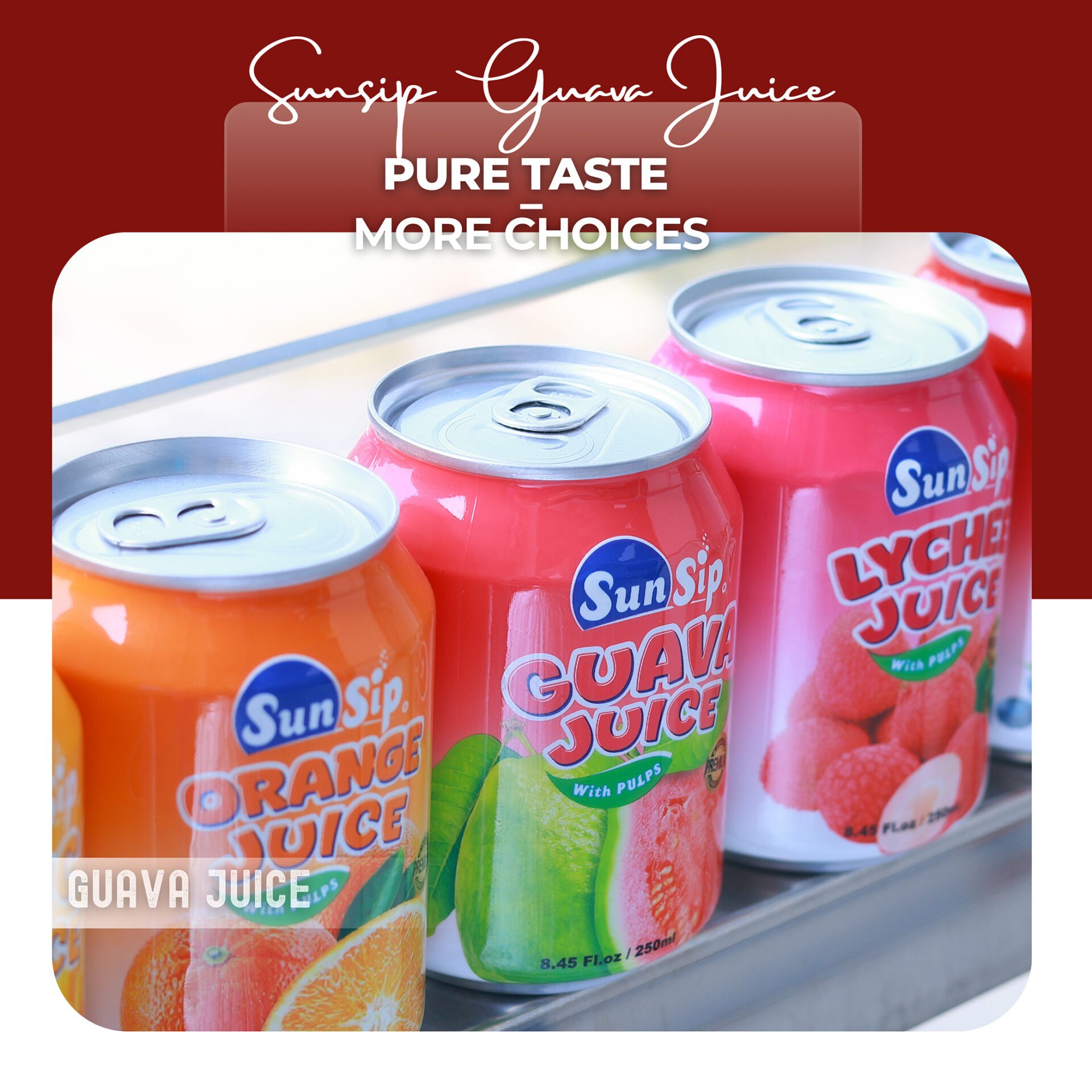
8.3 Product Portfolio Suitable for Crisis Markets
During uncertain times, shelf-stable beverages perform strongly:
-
Fruit Juice Drinks
-
Nata De Coco Drinks
-
Aloe Vera Beverages
-
Coconut-Based Drinks
-
Energy Drinks
These products require no cold-chain dependency and remain ideal for long-distance export markets.
9. Key Strategies for Beverage Companies in the War Era
Industry experts emphasize that companies must transition from efficiency-focused supply chains to resilience-focused strategies.
Successful F&B exporters now focus on:
Supply Chain Diversification
Multiple suppliers and logistics options reduce disruption risk.
Inventory Optimization
Strategic stock planning prevents shortages during shipping delays.
Market Expansion
Entering emerging markets balances geopolitical exposure.
Cost Management
Controlling energy, logistics, and packaging costs protects margins.
Manufacturers that adapt quickly will outperform competitors in volatile markets.
10. The Future Outlook of the Global F&B Industry
Even if conflicts stabilize, many changes are permanent.
Analysts expect continued market volatility influenced by:
-
Energy price uncertainty
-
Trade policy changes
-
Climate impacts on agriculture
-
Supply chain restructuring
Global food retail is already being reshaped by geopolitical tensions driving higher grocery costs and operational transformation across the industry.
The future F&B industry will prioritize:
👉 Stability over speed
👉 Reliability over low cost
👉 Long-term partnerships over short-term sourcing
11. SunSip’s Vision in a Changing World
At SunSip Beverages Vietnam, global uncertainty reinforces one core mission:
Deliver reliable, export-ready beverages regardless of global challenges.
By investing in:
-
Modern production facilities
-
Flexible OEM solutions
-
International quality standards
-
Long-term distributor partnerships
SunSip continues to support global partners navigating today’s complex trade environment.
In times of disruption, stability becomes the greatest competitive advantage.
Conclusion
War and geopolitical conflict are reshaping the global food and beverage industry faster than ever before. While rising costs, supply chain disruptions, and market uncertainty present real challenges, they also accelerate transformation.
For agile manufacturers like SunSip Beverages Vietnam, this period represents an opportunity to expand globally, strengthen partnerships, and position Vietnam as a reliable beverage manufacturing powerhouse.
The companies that adapt today will lead tomorrow’s global beverage market.
Request a Quotation and Product Catalog
 Contact us to discuss aloe vera drink options, PET bottle sizes, and market-fit recommendations.
 MOQ: 1 x 20FT container
 Website: sunsipbeverages.com.vn
 Email: info@sunsipbeverages.com.vn
 WhatsApp: (+1) 7192445414