
1. Overview of Global Fuel Price Trends in 2026
The year 2026 has brought significant volatility to the global energy market, with fuel prices experiencing sharp and unpredictable fluctuations. Geopolitical tensions, supply chain disruptions, and changes in global demand have all contributed to rising oil and gas prices.
In Vietnam, fuel prices have followed global trends, placing increasing pressure on manufacturing and export-oriented industries. Diesel and gasoline costs have surged, directly affecting logistics, production, and overall operational expenses.
For industries that rely heavily on transportation and international trade—such as the beverage export sector—these changes are not just challenges but critical factors that influence competitiveness and sustainability.
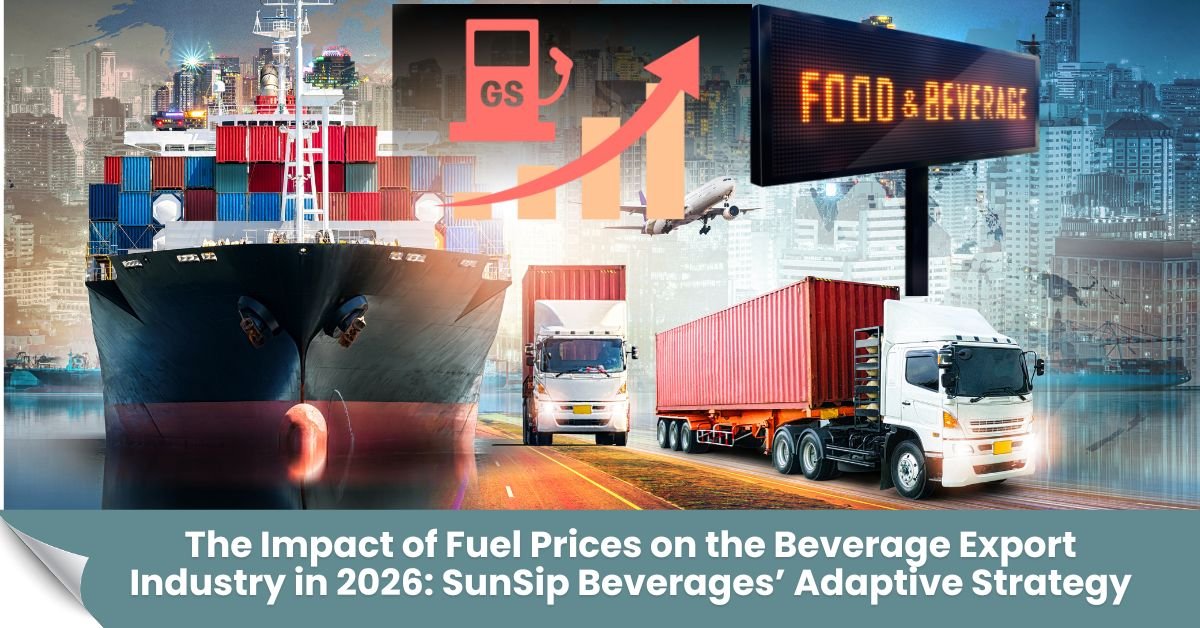
2. How Fuel Prices Affect the Beverage Export Industry
2.1 Rising Logistics Costs
One of the most immediate impacts of increasing fuel prices is the rise in logistics costs. Transportation is a key component in the beverage export supply chain, including:
- Delivery of raw materials to factories
- Inland transportation to ports
- International shipping costs
- Warehousing and cold storage
As fuel prices increase, each of these stages becomes more expensive. For exporters, this means higher overall costs per shipment, especially when dealing with bulk products like beverages.
2.2 Increased Production Costs
Fuel prices also directly influence production costs. Beverage manufacturing depends on energy for:
- Operating machinery
- Processing and sterilization
- Packaging production (plastic, aluminum, etc.)
Since many packaging materials are derived from petroleum-based products, their prices rise alongside fuel costs. This creates a compounded cost burden for manufacturers.
2.3 Pressure on Export Pricing
The global beverage market is highly competitive. Exporters must balance between:
- Increasing prices to maintain margins
- Keeping prices stable to remain competitive
When fuel prices rise, companies often face reduced profit margins if they choose not to pass costs onto customers. On the other hand, increasing prices may lead to losing market share.
2.4 Supply Chain Disruptions
Fuel price volatility can disrupt global supply chains by:
- Increasing freight rates
- Causing shipping delays
- Raising insurance costs
These disruptions affect delivery timelines and customer satisfaction, which are critical in maintaining long-term partnerships in international trade.
2.5 Inflation and Currency Impact
Rising fuel prices contribute to inflation and can affect exchange rates. For exporters, this results in:
- Higher costs for imported materials
- Currency risks in international transactions
- Increased financial uncertainty
3. Current Situation of Vietnam’s Beverage Export Industry
Despite these challenges, Vietnam’s beverage export sector continues to grow, driven by increasing global demand for:
- Fruit juices
- Coconut water
- Aloe vera drinks
- Nata de coco beverages
Vietnam has established itself as a reliable manufacturing hub thanks to competitive pricing, high-quality production, and strong OEM capabilities.
However, rising fuel costs are narrowing profit margins and forcing companies to adapt quickly.
4. SunSip Beverages Vietnam’s Adaptive Strategy
In response to the evolving market conditions, SunSip Beverages Vietnam has implemented a series of strategic measures to minimize the impact of fuel price increases while continuing to deliver value to global customers.
4.1 Production Cost Optimization
SunSip focuses on improving efficiency across its manufacturing processes by:
- Optimizing energy usage
- Reducing material waste
- Enhancing production workflows
These efforts help maintain stable pricing despite rising operational costs.
4.2 Logistics Optimization
Understanding the critical role of transportation, SunSip has:
- Partnered with multiple shipping lines to secure competitive rates
- Optimized container loading to maximize efficiency
- Selected cost-effective shipping routes
This proactive approach reduces the impact of fuel price fluctuations on export costs.
4.3 Flexible Pricing and Customer Support
SunSip is committed to supporting its partners by:
- Providing up-to-date quotations
- Offering flexible pricing solutions
- Advising on cost-saving strategies
The goal is to ensure customers can continue operating successfully even in challenging market conditions.
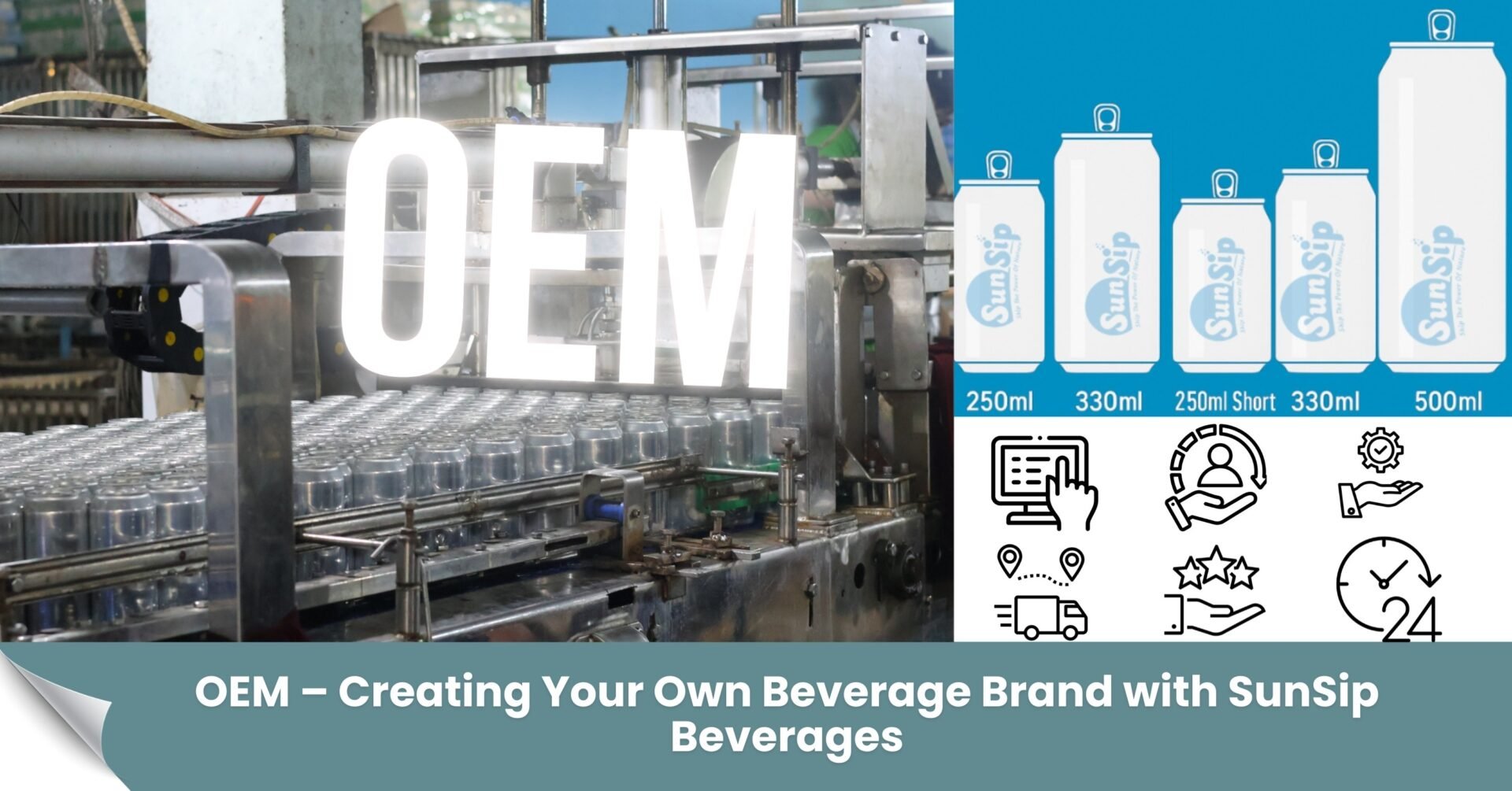
4.4 Strengthening OEM Beverage Solutions
SunSip continues to expand its OEM services, offering:
- Customized product formulations
- Tailored packaging design
- Private label branding support
By helping clients create competitive products, SunSip enables them to maintain strong market positions despite rising costs.
4.5 Market Diversification
To reduce risk, SunSip actively expands into new markets across:
- The Middle East
- Africa
- Europe
- Asia-Pacific
Diversifying export destinations helps stabilize business performance and reduce dependency on any single market.
4.6 Sustainable and Long-Term Strategy
Looking ahead, SunSip is investing in:
- Energy-efficient technologies
- Environmentally friendly packaging
- Sustainable production practices
These initiatives not only reduce dependency on fossil fuels but also align with global sustainability trends.
5. Practical Solutions for Beverage Exporters
Based on industry experience, beverage exporters can adopt the following strategies:
5.1 Optimize Supply Chains
- Reduce transportation distances
- Improve warehouse management
- Negotiate logistics contracts
5.2 Diversify Suppliers
- Avoid reliance on a single source
- Secure alternative suppliers
5.3 Increase Product Value
- Focus on premium quality
- Invest in branding and innovation
5.4 Use Long-Term Contracts
- Stabilize costs
- Reduce exposure to price volatility
5.5 Adopt Technology
- Implement smart production systems
- Improve operational efficiency
6. Turning Challenges into Opportunities
While rising fuel prices present significant challenges, they also drive innovation and efficiency. Companies that adapt quickly can:
- Improve operational performance
- Strengthen competitive advantage
- Build long-term resilience
7. SunSip’s Commitment to Global Partners
In a rapidly changing environment, SunSip remains committed to:
- Maintaining consistent product quality
- Optimizing costs to support customers
- Ensuring reliable delivery schedules
- Providing comprehensive OEM solutions
At SunSip, we believe that our customers’ success is our success.
8. Conclusion
The rise in fuel prices in 2026 has had a profound impact on the beverage export industry, affecting logistics, production, and overall business operations.
However, with the right strategies and a proactive approach, companies can overcome these challenges and continue to grow in the global market.
SunSip Beverages Vietnam stands ready to be a trusted partner, helping clients navigate uncertainties and achieve sustainable succes
Request a Quotation and Product Catalog
 Contact us to discuss aloe vera drink options, PET bottle sizes, and market-fit recommendations.
 MOQ: 1 x 20FT container
 Website: sunsipbeverages.com.vn
 Email: info@sunsipbeverages.com.vn
 WhatsApp: (+1) 7192445414