
Over the past decade, the global beverage industry has experienced rapid shifts in consumer preferences, product concepts, and flavor innovations. Among the fastest-growing categories, popping boba beverages—including popping boba tea and popping boba juice—have emerged as exciting, colorful, and highly Instagrammable drinks capturing attention worldwide.
As markets continue evolving, especially across the Middle East, Asia-Pacific, North America, and Europe, a new question rises for importers, retailers, and beverage brands:
Which product will dominate the market in 2026—Popping Boba Tea or Popping Boba Juice?
This in-depth analysis explores the differences between the two, current global trends, market performance in the Middle East, and predictions for the next major market leader.
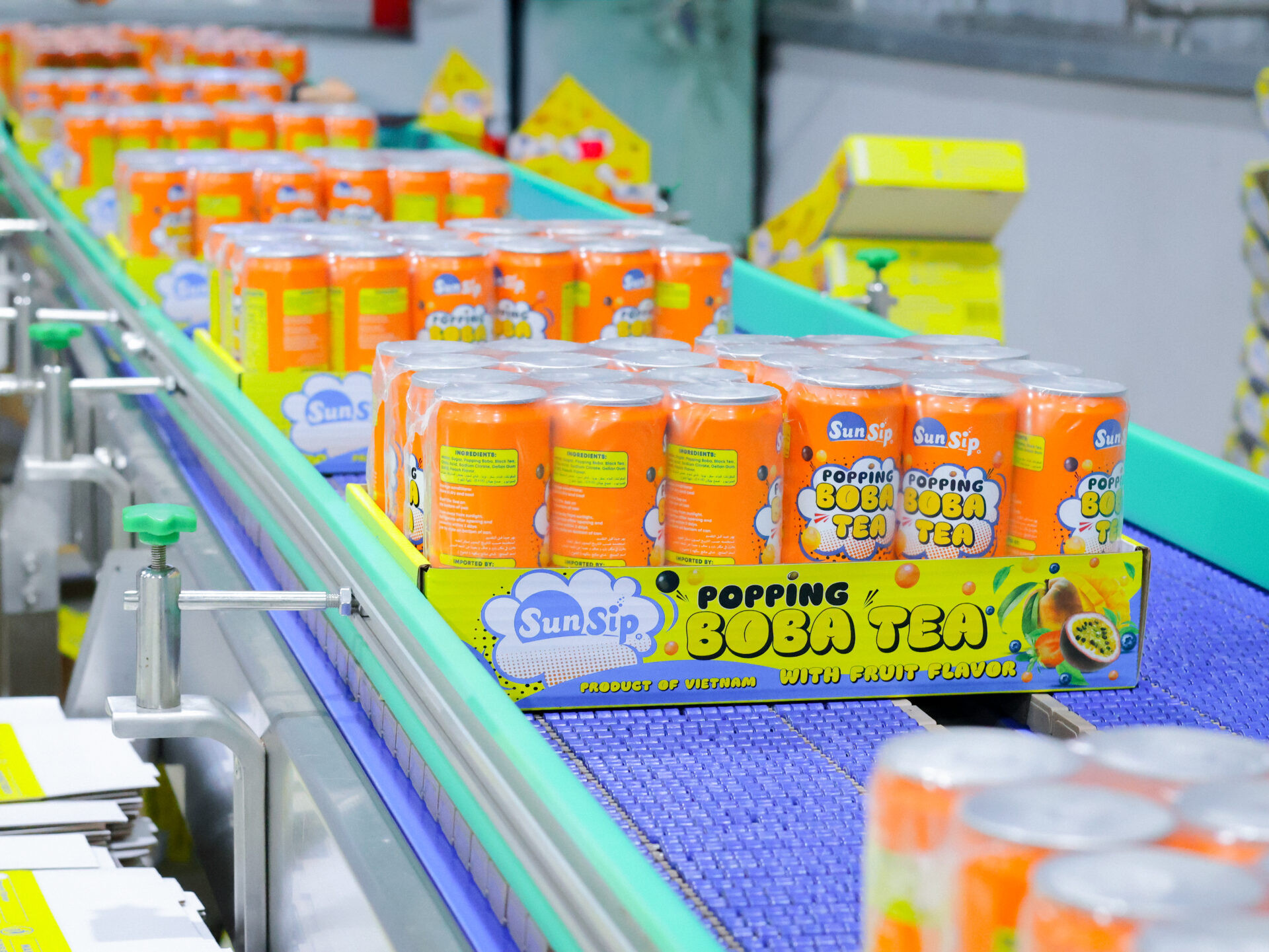
1. What Is Popping Boba and Why Is It Trending Worldwide?
Popping boba—also known as bursting boba or juice-filled pearls—are small, soft, gel-like spheres filled with fruit juice. They burst instantly upon biting, delivering a sweet and refreshing experience that appeals to both young consumers and adults.
The rise of popping boba drinks is driven by several global trends:
-
Growing demand for fun, experiential beverages
-
Younger demographics seeking visually appealing drinks
-
Strong café culture and bubble tea expansion worldwide
-
Increase in ready-to-drink (RTD) formats suitable for retail and export
-
Rising interest in fruit-based and hybrid beverages
Popping boba no longer belongs exclusively to bubble tea shops. In 2024–2025, it became a major player in RTD cans, PET bottles, and export-oriented beverages—positioning itself as a key category for 2026.
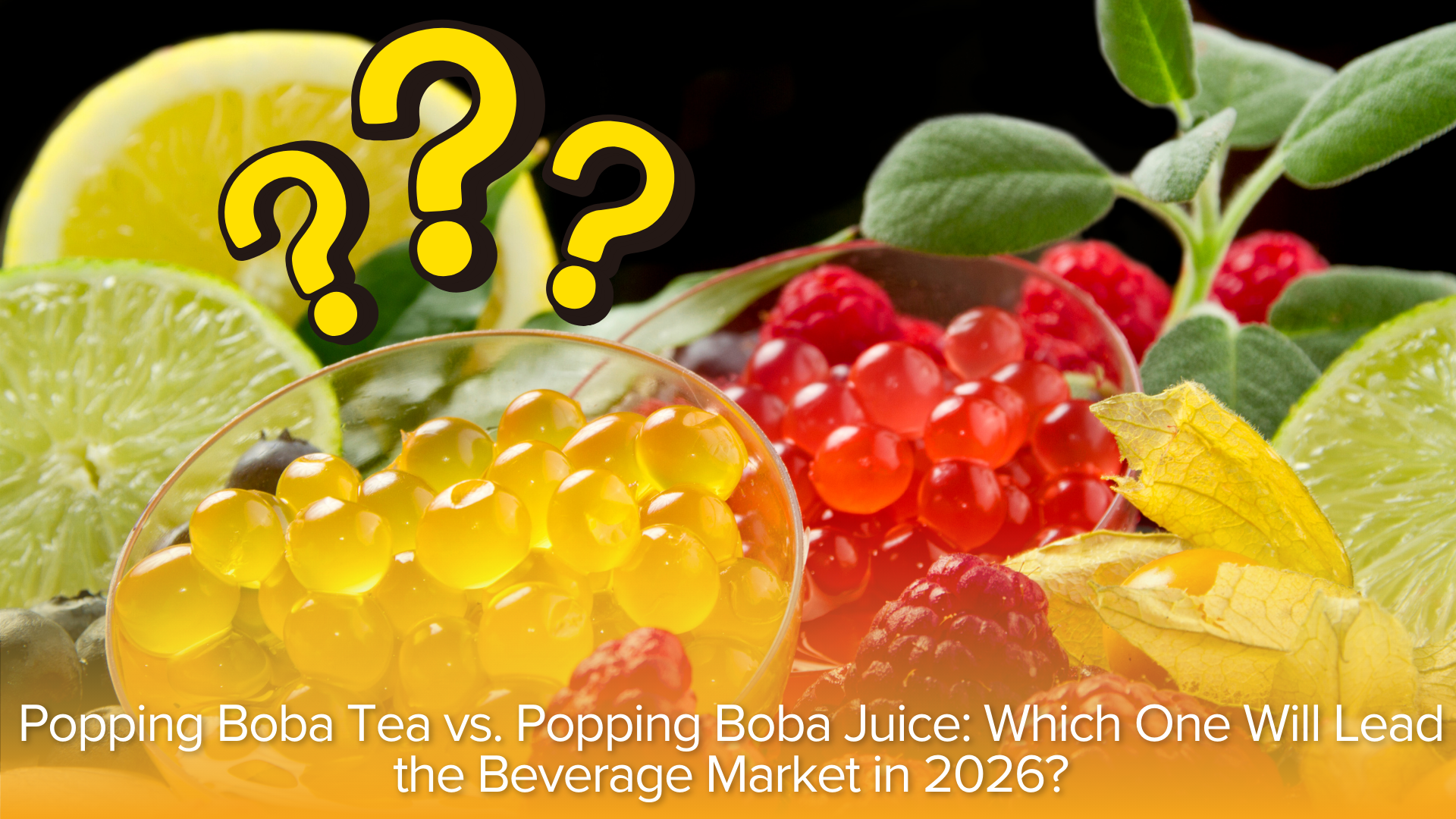
2. Popping Boba Tea vs. Popping Boba Juice: Definition and Key Differences
Although they share the same popping boba pearls, the two drink types differ significantly.
2.1 What is Popping Boba Tea?
Popping boba tea combines brewed tea (black tea, green tea, jasmine tea, oolong, etc.) with fruit flavors and popping boba pearls.
Key characteristics:
-
Contains real tea extracts
-
Typically less sweet
-
Appeals to tea lovers and bubble tea fans
-
Often formulated in cans or PET bottles aimed at retail
-
Flavors include: peach green tea, strawberry black tea, passion fruit tea, blueberry tea, etc.
Popping boba tea bridges the gap between traditional tea culture and modern beverage innovation.
2.2 What is Popping Boba Juice?
Popping boba juice is a fruit-based beverage with popping boba pearls inside—without tea extracts.
Key characteristics:
-
100% fruit juice or juice drink formula
-
Sweeter and easier to drink
-
Visually appealing and suitable for children or family markets
-
Extremely popular in the Middle East and Africa
-
Flavors include: mango, lychee, kiwi, blueberry, strawberry, pineapple, orange, melon, etc.
This category is considered the “fun and refreshing” segment of the popping boba market.
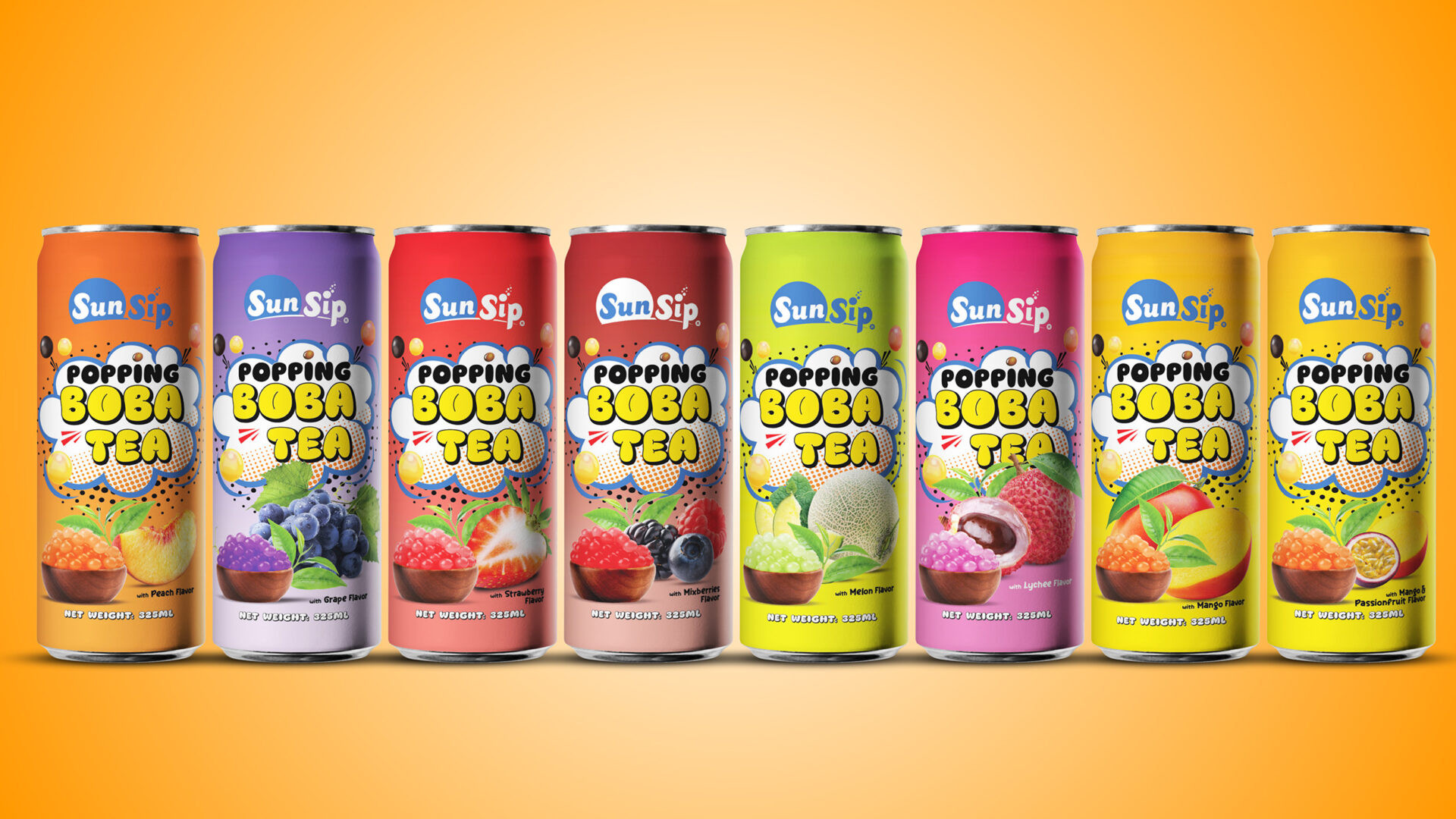
3. Global Beverage Trends Influencing 2026
The worldwide beverage market has seen rapid evolution toward:
3.1 Instagrammable Products
Drinks that look attractive on social platforms—colorful, layered, bursting—boost consumer excitement and repeat purchases.
3.2 Fruit-Based Innovations
Consumers are choosing fruity, refreshing options over traditional carbonated drinks.
3.3 Ready-to-Drink Convenience
RTD beverages continue to dominate supermarket shelves, creating room for popping boba RTD cans and bottles.
3.4 Hybrid Categories
The line between tea, juice, and functional beverages is blurring. Popping boba tea and popping boba juice perfectly fit this hybrid evolution.
3.5 Surge in Bubble Tea Culture
The global bubble tea market is projected to grow rapidly toward 2030, pulling popping boba beverages along with it.
4. Middle East Trends: The Fastest-Growing Region for Popping Boba Drinks
The Middle East—especially UAE, Saudi Arabia, Iraq, Qatar, Oman, Kuwait—is now one of the strongest import markets for popping boba beverages.
Why Middle Eastern consumers love popping boba juice:
-
Preference for sweet, bold fruit flavors
-
Youth population with high spending power
-
Strong café and shisha lounge culture
-
High demand for visually appealing drinks
-
Retailers actively importing innovative RTD beverages
The region shows a stronger tilt toward popping boba juice rather than tea due to flavor preferences and climate-driven demand for refreshing fruit drinks.
5. Market Performance 2024–2025: Side-by-Side Comparison
| Category | Popping Boba Tea | Popping Boba Juice |
|---|---|---|
| Global Demand | Strong | Very strong |
| Middle East Demand | Moderate | Extremely strong |
| Target Audience | Teens & young adults | All ages |
| Sugar Preference | Lower–medium | Higher sweetness accepted |
| Retail Popularity | Growing | Leading |
| HoReCa (café) Market | Strong | Moderate–strong |
| RTD Export Volume 2024 | Moderate | High |
| Predicted Growth 2025–2026 | +15–20% | +25–35% |
The data suggests that popping boba juice has broader mass-market appeal, especially in regions such as the Middle East.
6. Advantages & Limitations of Popping Boba Tea
Advantages
-
Appeals to tea drinkers
-
Perceived as healthier or lower in sugar
-
Suitable for more premium markets
-
Works well as a “modern bubble tea” concept
Limitations
-
Tea extract flavors may not match all global preferences
-
Slightly less popular in Middle Eastern countries
-
More sensitive to taste balancing
7. Advantages & Limitations of Popping Boba Juice
Advantages
-
Universally appealing flavors
-
Strong performance in hot climates
-
Works perfectly for supermarkets, retail chains, and convenience stores
-
Loved by children and families
-
Ideal for vibrant packaging and marketing
Limitations
-
Higher sweetness may require sugar-adjusted reformulations
-
Fiercer competition among brands
-
Needs proper thermal processing to maintain popping boba texture
8. Which One Will Lead the Market in 2026?
⭐ Global Market Prediction: Popping Boba Juice Leads
By 2026, popping boba juice is expected to outperform popping boba tea globally due to:
-
Broader demographic acceptance
-
Higher export opportunities
-
Strong growth in international RTD drink demand
-
Faster adoption in Middle East, Africa, Asia, and Latin America
-
Attractive shelf presence and impulse-buy appeal
⭐ Middle East Market Prediction: Popping Boba Juice Clearly Dominates
The beverage preferences of the Gulf region strongly favor:
-
Fruit-based drinks
-
Sweeter profiles
-
Family-friendly beverages
-
Colorful packaging
Thus, popping boba juice will remain the #1 product in the Middle East through 2026 and beyond.
⭐ Where Popping Boba Tea Still Wins
Popping boba tea will retain strong traction in:
-
Southeast Asia
-
East Asia
-
Western café markets
-
Countries with strong tea cultures
It is likely to dominate premium segment cafés, but not the mass retail export market.

9. Which Product Should Importers Choose in 2026?
If your target market is the Middle East, choose:
✔ Popping Boba Juice (mango, strawberry, lychee, kiwi, melon)
If your target market is Europe or the U.S., consider:
✔ A mix of Popping Boba Tea + Popping Boba Juice to capture hybrid demand
If your market is Asia-Pacific, prioritize:
✔ Popping Boba Tea for café culture
✔ Popping Boba Juice for supermarkets
For wholesalers and distributors, the ideal 2026 portfolio includes:
-
2–3 tea flavors
-
4–6 fruit juice flavors
-
PET bottles for retail
-
Cans for convenience stores
-
Mixed-flavor export cartons
This approach maximizes mass-market coverage while enabling premium placement.
10. Future Innovations to Watch (2026+)
Emerging innovations that could shape the next generation of popping boba drinks include:
-
Zero-sugar popping boba beverages
-
Functional popping boba (vitamins, collagen, probiotics)
-
Sparkling popping boba juice
-
Plant-based boba beverages
-
Hybrid drinks combining milk, tea, and fruit
-
Color-changing drinks with popping boba
Brands that innovate early will dominate the 2026–2030 cycle.
11. Conclusion: The 2026 Market Leader
After analyzing global and Middle Eastern trends, consumer behavior, and growth forecasts:
🏆 Popping Boba Juice will be the leading product in 2026
due to its universal appeal, stronger export demand, and exceptional performance in hot-climate markets.
🥈 Popping Boba Tea will remain a strong secondary category
especially in café-focused regions and premium beverage markets.
For distributors, importers, and OEM beverage brands, diversification into both categories provides the safest and most profitable strategy.
12. About Sunsip Beverages Vietnam – Your OEM Partner for Popping Boba Drinks
Sunsip Beverages Vietnam is a leading beverage manufacturer specializing in OEM/ODM popping boba drinks, fruit juices, aloe vera drinks, coconut products, and RTD beverages for export to over 40 countries.
With advanced production lines, strict quality control, and a strong R&D team, Sunsip offers:
-
✔ Custom formulas for both popping boba tea and popping boba juice
-
✔ Export-standard PET bottle and aluminum can packaging
-
✔ Halal, ISO, HACCP, and FDA-compliant production
-
✔ Fast lead times for Middle East and global shipments
-
✔ Full private-label service: design, flavor development, documentation
-
✔ Competitive pricing for distributors and importers
Whether you’re targeting the booming Middle Eastern market or expanding globally, Sunsip provides reliable partnership and consistent quality for long-term growth.