Sparkling coconut water has moved from a niche health-food shelf item to one of the fastest-growing segments in the functional beverage industry. For importers, distributors, and private label brand owners, this is a rare window: a category with strong consumer pull, low ingredient complexity, and still relatively few established global suppliers. This article breaks down where the market stands today, what’s fueling its growth, and the key criteria B2B buyers should use when selecting an OEM/ODM manufacturing partner.
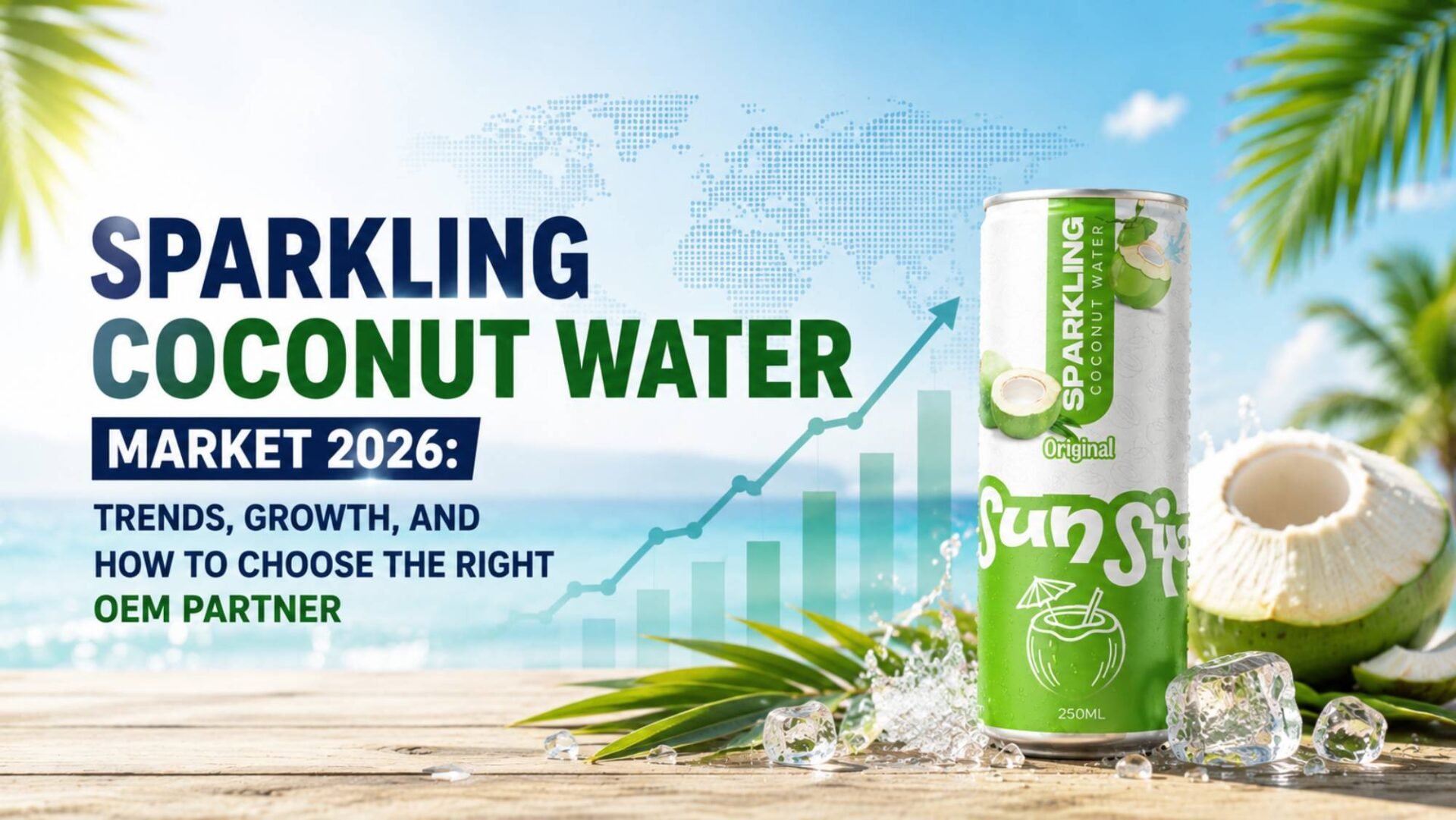
The Sparkling Coconut Water Market at a Glance
Industry research points to explosive growth for this specific sub-category. The global sparkling coconut water market was valued at roughly USD 2.3 billion in 2024 and is projected to reach approximately USD 13.7 billion by 2034 — a compound annual growth rate (CAGR) of around 19.5%, according to market.us. Unsweetened sparkling variants currently dominate, holding more than 64% of total category share, reflecting strong consumer demand for sugar-free, natural hydration options.
This sits within the broader coconut water market, which multiple research firms estimate at USD 4–5.6 billion in 2026, growing at CAGRs ranging from roughly 6% to over 20% depending on region and methodology, with several forecasts placing the total category above USD 19–22 billion by the early 2030s. Even accounting for differences between research providers, the direction is consistent: coconut water — and sparkling formats in particular — is one of the higher-growth corners of the non-alcoholic beverage industry.
What’s Driving the Growth
1. The shift away from sugary carbonated drinks. Consumers across North America, Europe, and increasingly the Middle East and Asia are actively replacing sodas and sports drinks with naturally functional alternatives. Sparkling coconut water offers the carbonated “soda-like” drinking experience without added sugar or artificial ingredients — a rare combination.
2. Electrolytes and clean-label positioning. Coconut water’s naturally occurring potassium, magnesium, and sodium give it a functional health story that resonates with fitness, wellness, and everyday hydration use cases alike. Brands are leaning hard into “no added sugar,” “non-GMO,” and “naturally hydrating” claims.
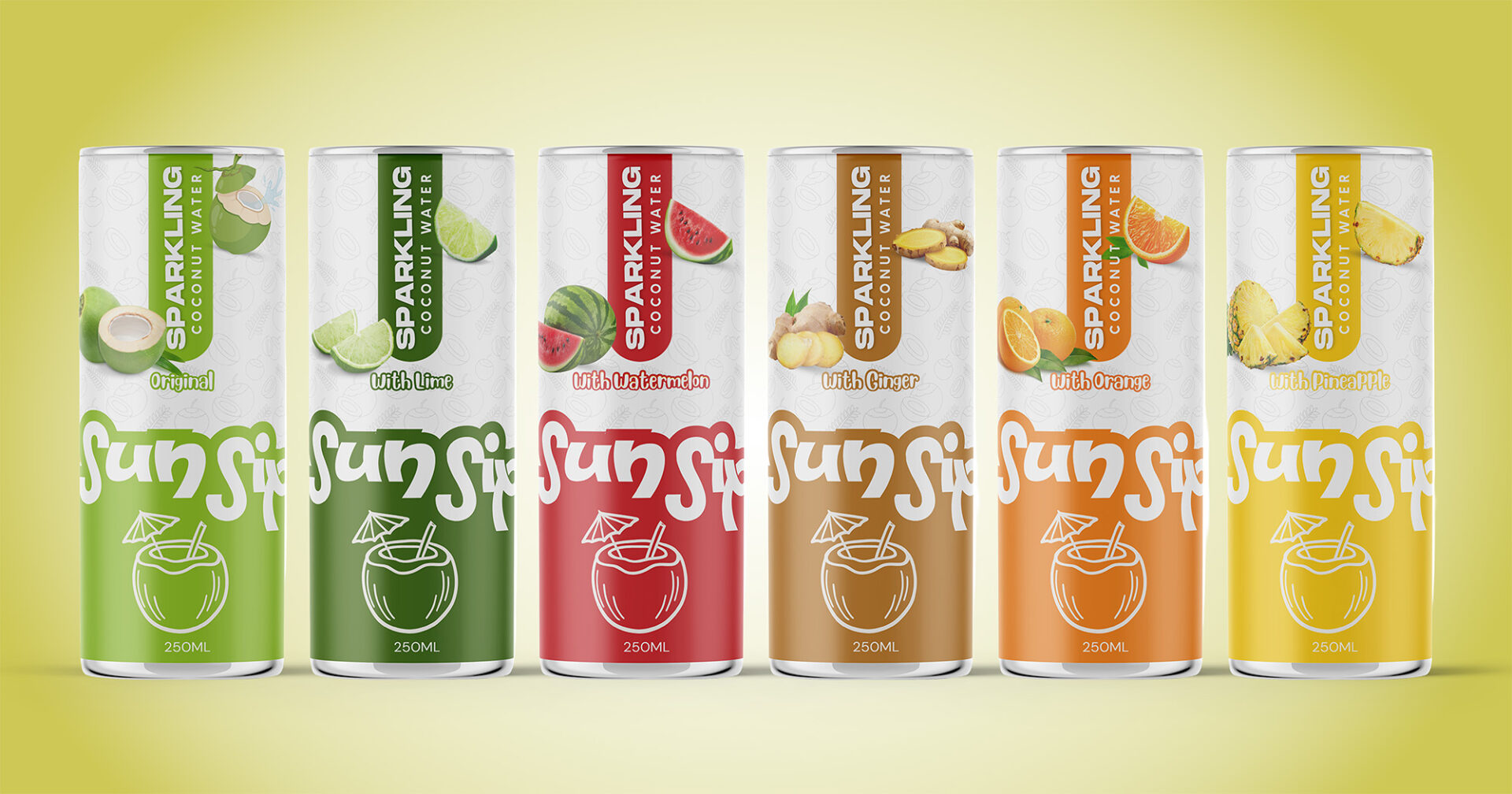
3. Flavor and format innovation. Established brands such as Vita Coco and Coco Libre have expanded into flavored sparkling lines (raspberry lime, cucumber lemongrass, grapefruit, lemon-ginger), showing that flavor variety — not just plain coconut water — is now a key driver of repeat purchase and shelf differentiation.
4. Packaging premiumization. PET and glass bottle formats are growing faster than the category average, as brands use packaging to signal premium positioning on crowded retail shelves and in export markets.
5. Private label and OEM expansion. As demand outpaces the capacity of a handful of legacy brands, retailers and emerging beverage companies are increasingly turning to contract manufacturers to launch their own sparkling coconut water lines — creating strong opportunity for OEM/ODM partners with the right sourcing and production capability.
Regional Dynamics Worth Knowing
North America remains the largest revenue base for coconut water broadly, supported by premium retail infrastructure and high category awareness. But the raw material story runs through Asia: Southeast Asia — and Vietnam specifically, with its Mekong Delta coconut-growing regions — is a primary sourcing origin for the fresh, young coconuts that make sparkling coconut water possible at scale. This gives Vietnam-based manufacturers a structural advantage: shorter supply chains from farm to factory, fresher raw material, and competitive production costs compared to importing concentrate or raw coconuts into a Western production base.
What B2B Buyers Should Look For in a Sparkling Coconut Water OEM Manufacturer
If you’re an importer, retailer, or emerging beverage brand evaluating manufacturing partners for a sparkling coconut water line, the market data above points to a few non-negotiables:
- Direct access to fresh coconut sourcing — not reconstituted concentrate, which affects both taste and label claims.
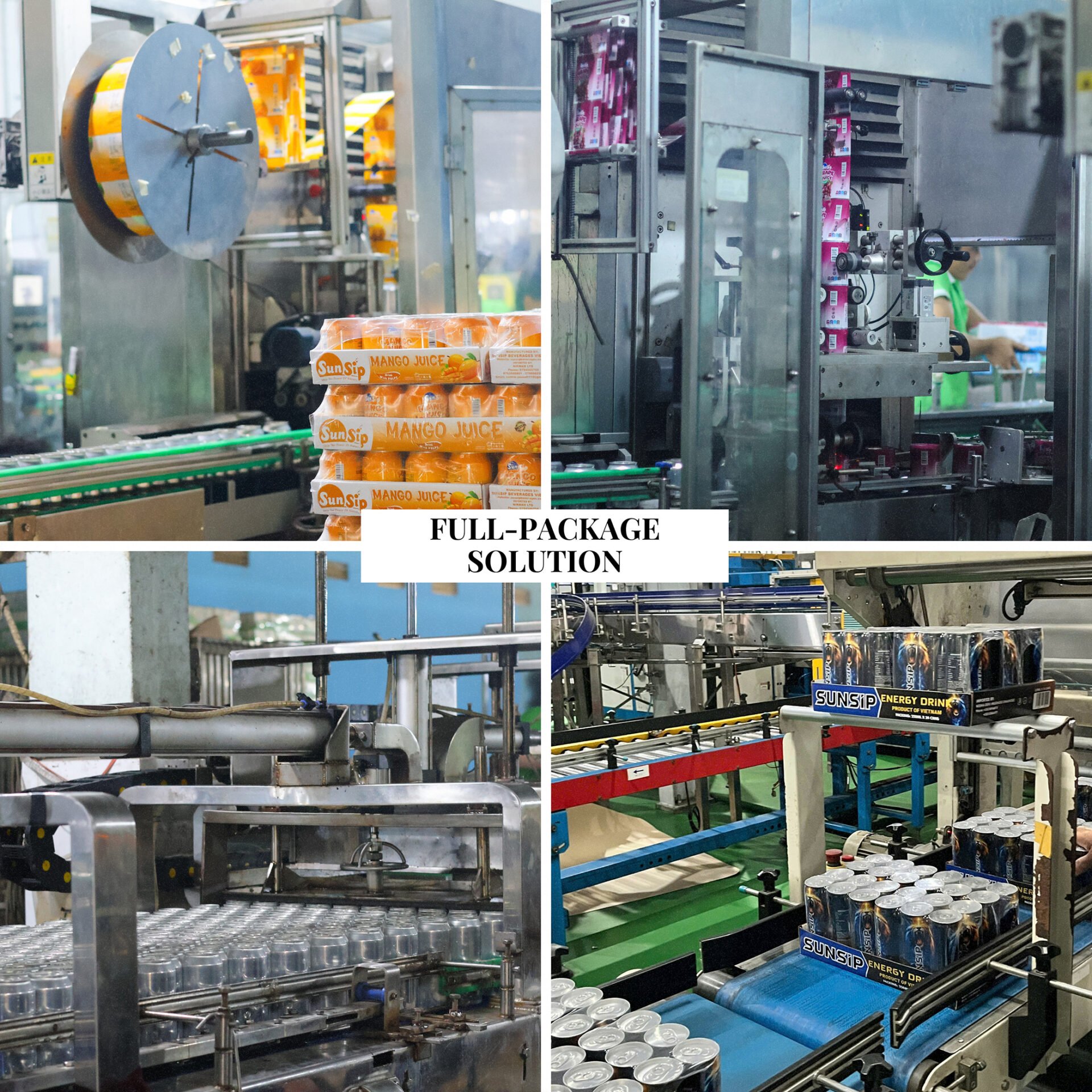
- Carbonation and aseptic/hot-fill production capability suited to sparkling, shelf-stable beverages.
- Flexible flavor development — plain, fruit-infused, and functional (added electrolytes, vitamins) variants.
- Packaging options across cans, PET, and glass to match different export market preferences.
- Export documentation experience — familiarity with FDA, EU, and other target-market regulatory and labeling requirements.
- Low minimum order quantities (MOQs) for brands testing the category before scaling.
- Private label / white label flexibility, from formulation through to custom packaging design.
Why Vietnam Is Emerging as a Strategic Sourcing Base
As global brands look to diversify supply chains beyond traditional origins, Vietnam has become an increasingly attractive base for coconut beverage manufacturing — combining proximity to high-quality raw coconuts, competitive labor and production costs, and growing export infrastructure to North America, the EU, the Middle East, and East Asia. For buyers building or expanding a sparkling coconut water line, partnering with an established Vietnam-based OEM manufacturer can shorten development timelines and improve cost structure compared to sourcing from more saturated production hubs.
The Opportunity Ahead
With the sparkling coconut water segment forecast to grow at roughly four times the pace of the broader beverage industry, the brands and retailers that move now — securing reliable OEM production capacity, locking in flavor and packaging differentiation, and getting to market ahead of category saturation — are best positioned to capture share as the category scales through the early 2030s.
FAQ
How big is the sparkling coconut water market? The sparkling coconut water segment was valued at approximately USD 2.3 billion in 2024 and is projected to grow to around USD 13.7 billion by 2034, at a CAGR of approximately 19.5%.
What is driving demand for sparkling coconut water? Key drivers include consumer shift away from sugary sodas, demand for clean-label and functional hydration drinks, flavor innovation, and premium packaging formats.
Why source sparkling coconut water production from Vietnam? Vietnam offers direct access to fresh coconut-growing regions such as the Mekong Delta, competitive manufacturing costs, and established export experience to major global markets — making it a strong base for OEM/private label production.
What should I look for in an OEM coconut water manufacturer? Look for fresh (not concentrate-based) sourcing, carbonation and shelf-stable production capability, flexible flavor and packaging options, export/regulatory experience, and manageable MOQs for brands scaling into the category.
Interested in launching your own sparkling coconut water line? [Contact SunSip Beverages] to discuss OEM/ODM production, flavor development, and export logistics for your target market.